Non-Peer Reviewed Resources

Breaking Language Barriers in Tampa Bay:
Fox 13 wrote an article, about a local doctor in the Tampa Bay area named Dr. Eduardo Hernandez. After moving his practice to Tampa, Dr. Hernandez noticed that a large amount of his patients were not taking care of their health because they struggled to find a Spanish-speaking provider. To combat this issue, he worked to eliminate language barriers in his office to make healthcare more accessible. He made sure that both his clinical and office staff spoke Spanish, understanding that the language barrier took place not only in the exam room but also when scheduling and making appointments. Dr. Hernandez's findings also play a major role in the field of speech-language pathology (SLP), as it's important to provide linguistically appropriate care. Clinicians need to understand that in order to prioritize clients and their families, they must communicate effectively so that the clients understand their goals, feel comfortable to bring up any concerns, and participate in the therapy process (Arradondo, 2024).

Culturally Responsive Resources:
This website is a platform that helps support individuals in the field of Communication Sciences and Disorders (CSD), including speech-language pathologists (SLPs) who work with bilingual and/or culturally diverse clients. This program consists of trainings, materials, and workshops, for SLPs, that teach them how to perform culturally appropriate therapy. The program also mentions how importance it is to address language and cultural barriers in order to deliver effective services. Overall, the main goal of this program is to help professionals in the field of CSD prioritize all their clients, even those from underrepresented backgrounds, to help them feel understood and supported throughout their communication journey (Bilingual Speech Resources, 2025).
Rising Need for Bilingual SLPs:
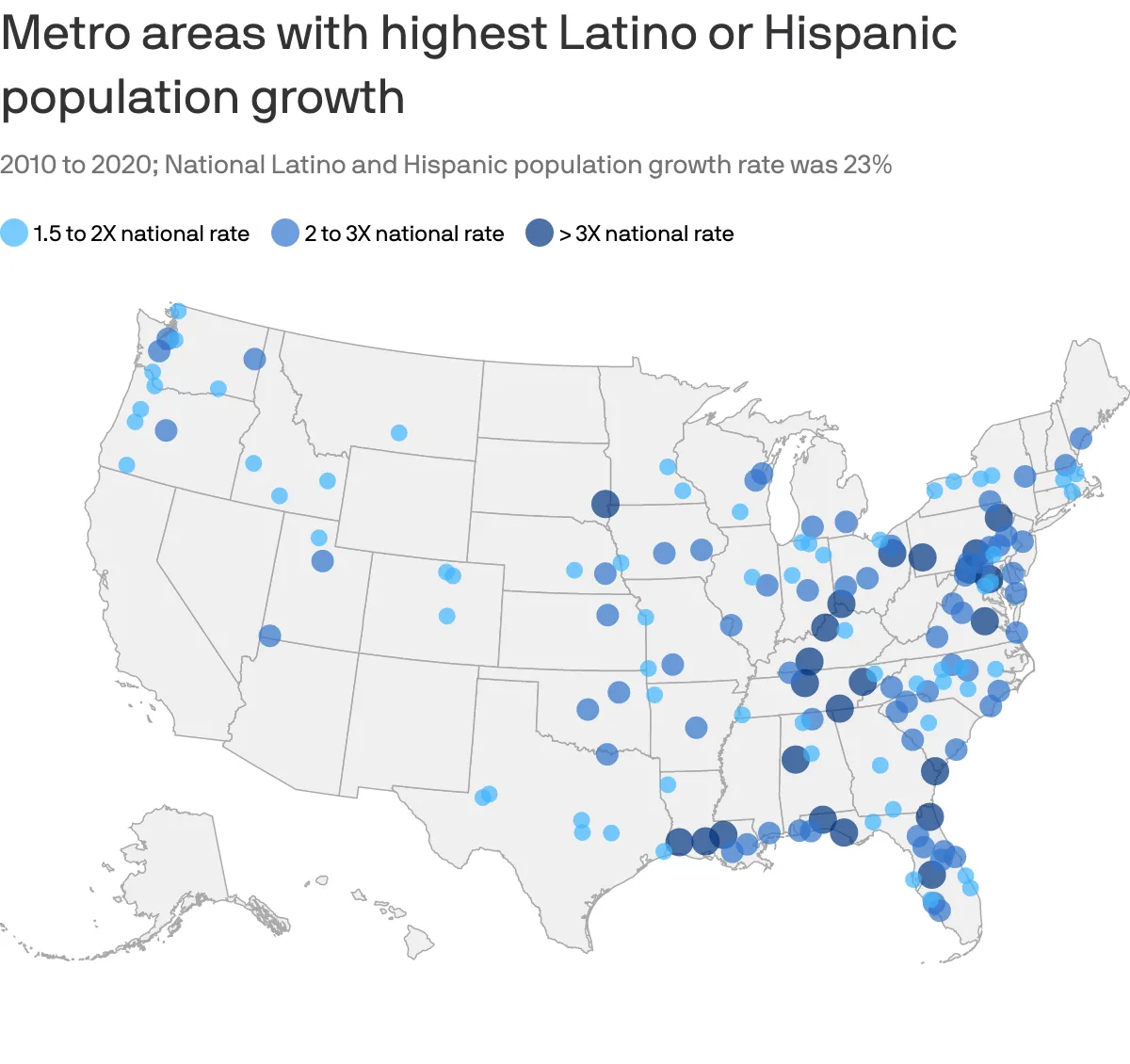
This article discusses Tampa Bay and the continues increase of Hispanics residing there. The article states that in 2021, there was a noticeable rise of Hispanics in the Tampa area, resulting in a 44% increase in the population. With this new development, a more diverse and multilingual community is established, creating a greater need for bilingual language services. As a result, the demand for bilingual SLPs continues to grow to ensure Spanish-speaking clients receive the effective care they deserve. Bilingual SLPs have become more essential than ever in Tampa Bay. In order to provide effective services and ensure proper support, we need more bilingual SLPs to help keep up with the cultural changes (Felice, 2021).

Growing Hispanic Population in Tampa Bay:
This article discusses the significant growth of Hispanics in the Tampa Bay area, ranging from Puerto Ricans, Mexicans, and Cubans, who now make up a large and growing portion of the population. This change increases the need for SLPs who can provide culturally responsive and bilingual services. As clinicians, it is their role to ensure that they can provide all individuals with adequate care. Knowing that the community is changing, clinics within the area should be adapting as well so they can properly serve their community. It is essential for SLPs to perform appropriate assessments and treatments, as well as communicate with and educate their clients and their families. If an SLP can't do so effectively, then they are doing a disservice to their clients. This is exactly why we need more bilingual SLPs in Tampa Bay. In order to be effective clinicians, they have to keep up with the changes in our community (Bay, 2022).

The Multicultural History of Tampa:
This article discusses the rich history of Ybor City in Tampa and its multicultural immigrant community made up of Cubans, Spanish, Italians, and Easter European workers. This city began to thrive in the late 1800s, bringing their culture to the city of Tampa such as cigars, food, and language, and becoming the historic, culturally rich district it is today. With this areas linguistically diverse community their is a need for culturally responsive and bilingual speech-language services. SLPs who work in Tampa are likely to work with clients who share a different culture and speak a native language other then English which makes the need for cultural competence essential (Chris, 2023).